
GPT-5.2 Is Not About Smarter Answers. It’s About Better Thinking.
OpenAI’s release of GPT-5.2 is easy to misread if you focus only on feature lists or benchmarks. On the surface, it looks like another incremental model update. Underneath, it signals something more important for leaders, teams, and organizations trying to use AI responsibly.
GPT-5.2 is not just about generating responses.
It is about improving how AI reasons, follows intent, and stays aligned over longer, more complex interactions.
That distinction matters.
Why This Update Is Different
Most AI frustration does not come from a lack of intelligence. It comes from inconsistency.
Teams struggle when AI:
- Loses context halfway through a workflow
- Produces outputs that feel disconnected from the original goal
- Requires constant correction because it misunderstood intent
GPT-5.2 focuses heavily on reducing those breakdowns. The model is better at maintaining context, handling multi-step reasoning, and staying aligned with what the user is actually trying to accomplish.
For organizations, this means fewer rewrites, fewer clarifying prompts, and far less cognitive overhead.
What This Means for Real Teams
This update is especially important for industries like construction, commercial real estate, logistics, and operations, where AI is not used for creative experiments. It is used to support decisions, documentation, coordination, and communication.
GPT-5.2 makes it easier to:
- Draft structured reports that remain consistent across revisions
- Support complex workflows without losing the thread
- Act as a thinking partner rather than a one-off task tool
- Reduce the mental load on professionals doing high-responsibility work
The value is not speed alone.
It is stability.
The Bigger Shift Leaders Should Notice
GPT-5.2 reinforces a trend I see every day in training and workshops.
The organizations getting the most value from AI are not the ones chasing every update. They are the ones redesigning how thinking flows through their teams.
This release rewards:
- Clear framing
- Defined outcomes
- Thoughtful workflows
- Leaders who treat AI as a collaborator, not a shortcut
AI models are getting better at reasoning.
That raises the bar for how we lead, design, and decide.
What to Do Next
GPT-5.2 is a reminder that the future of AI value will not come from asking faster questions. It will come from asking better ones.
If your team is still struggling with inconsistent outputs or AI that feels unreliable, the answer is not another tool. It is clearer thinking paired with the right capability.
The technology is maturing.
Our leadership approach needs to mature with it.
Bibliography and References
- OpenAI.
Introducing GPT-5.2.
https://openai.com/index/introducing-gpt-5-2/ - Harvard Business Review.
How to Measure the ROI of Innovation.
https://hbr.org/2025/01/how-to-measure-the-roi-of-innovation - McKinsey & Company.
The Economic Potential of Generative AI.
https://www.mckinsey.com/capabilities/quantumblack/our-insights/the-economic-potential-of-generative-ai - MIT Sloan Management Review.
Why AI Fails Without Organizational Clarity.
https://sloanreview.mit.edu/article/why-ai-fails-without-organizational-clarity/

AI’s Wild Week — News & Views Round-Up
The past seven days delivered a fire-hose of headline-worthy moves: browsers that think, billion-dol
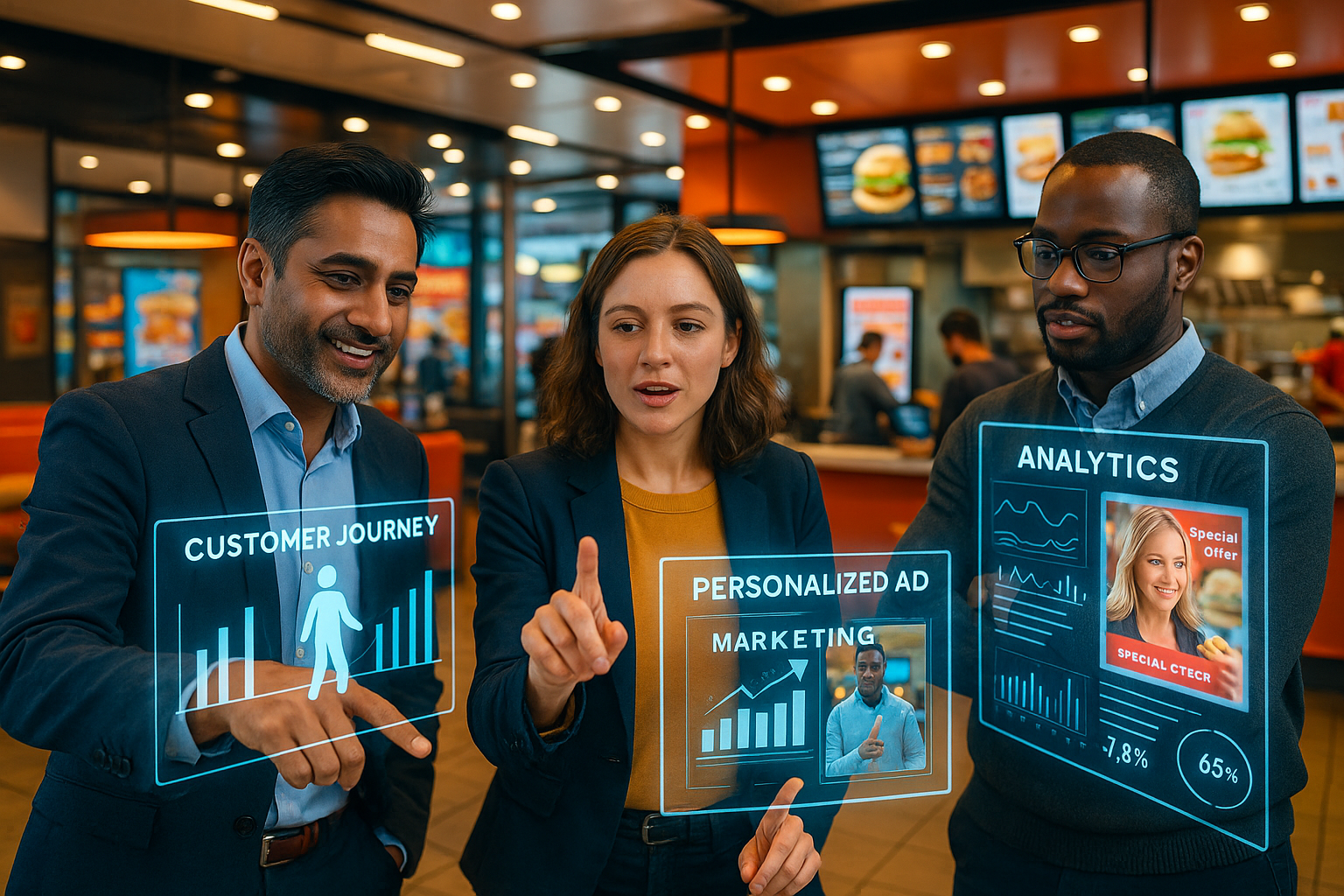
From Fast Food to Future-Proof: How AI is Reshaping Marketing (and How Your Team Can Leverage It)
In today’s hyper-competitive landscape, every marketing dollar counts. Businesses are constant
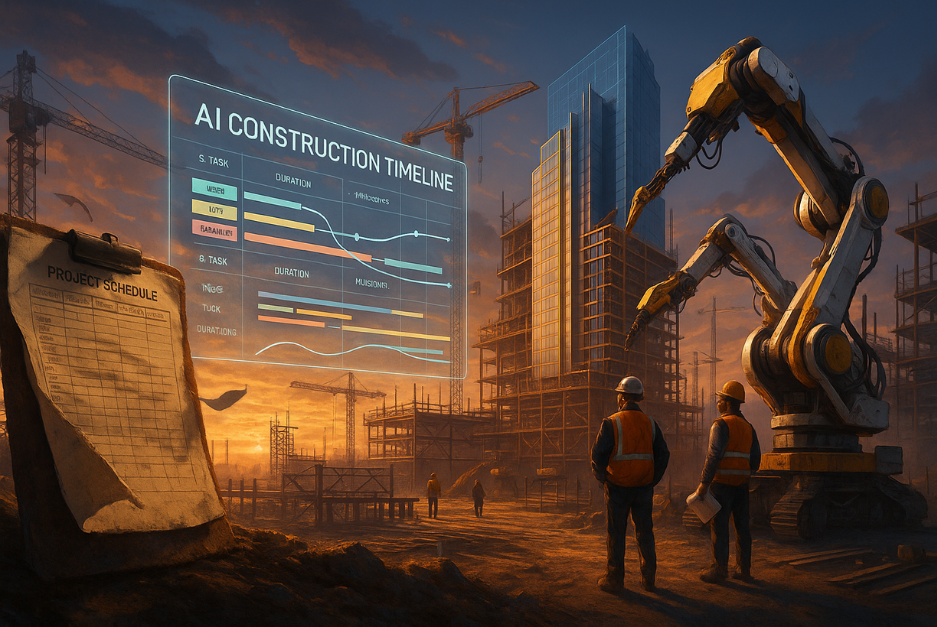
The End of the Gantt Chart Guessing Game? How AI is Building the Future of Construction Schedules.
What if your project timeline wasn’t just a best guess, but a data-driven certainty? Imagine a wor